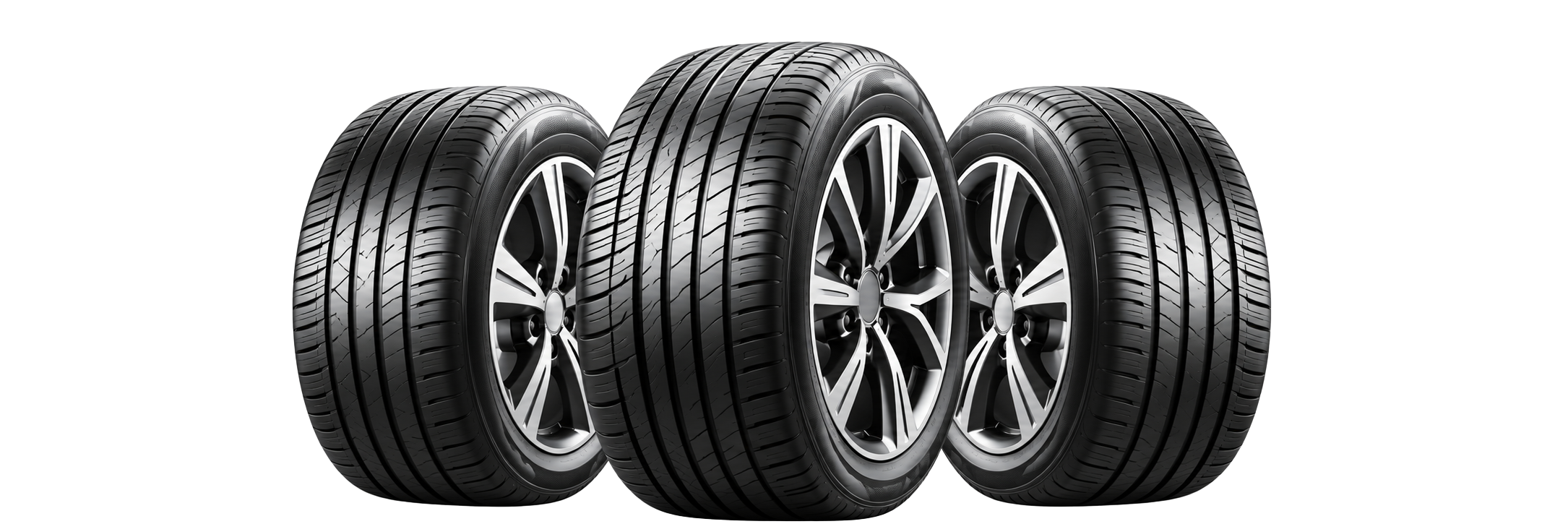

The Role of Tyre Pressure Monitoring Systems (TPMS) in Dubai’s Climate
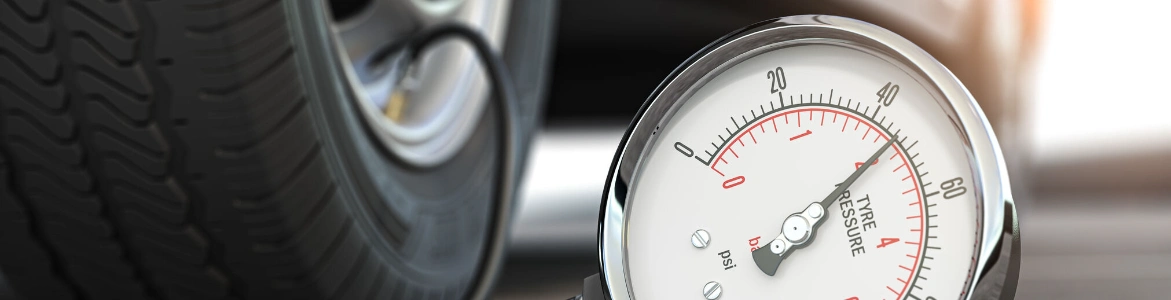
Aug 16, 2025
MK
Reviewed By
Michael Krikken
Vehicle Tyre Care Specialist, YallaTyre
Michael Krikken supports YallaTyre's operations, helping customers select genuine tyres suited to their vehicle. He ensures trusted tyre solutions and excellent customer support.
Reviewed on August 16, 2025
Optimal tyre performance is a factor that some people undermine. But, it’s not always about the engine and the acceleration figures – rather, it is also about maintaining your tyres.
And that’s where tyre pressure monitoring systems come in handy. With Dubai’s harsh weather, that’s sunny almost all year round – your tyres are vulnerable most of the time.
Not only that, but the long commutes can also lead to increased tyre issues. And while we say that Dubai is sunny most of the time, rain can also wreak havoc on your tyres. That being said, let’s move on to understanding how these systems work and how they impact tyre performance:
What is a Tyre Pressure Monitoring System (TPMS)?
A tyre pressure monitoring system, or TPMS, is a piece of equipment that’s installed in a vehicle to monitor its tyre pressure.
A TPMS is integrated into your vehicle’s dashboard, and flashes a logo in case your tyre pressure goes below the set threshold.
Without these systems, knowing your tyre pressure without the use of a tyre pressure machine is almost impossible. But TPMS gives you a direct warning that is displayed clearly on your dashboard.
Bear in mind that these systems only display a warning sign if your tyre pressure goes down, and don’t really provide anything for tyre overinflation.
Types of TPMS: Direct vs. Indirect Systems
There are two primary types of TPMS available out there in the market – Direct and Indirect systems.
An Indirect TPMS (iTPMS) uses software to estimate tyre pressure by analysing existing sensor data, such as wheel speeds from the ABS system. It doesn’t measure air pressure directly but detects changes in wheel rotation that suggest underinflation.
A Direct TPMS (dTPMS) uses hardware-based, battery-powered sensors inside each wheel to measure actual tyre pressure (and sometimes temperature) and transmits this data wirelessly to the vehicle’s dashboard. Unlike iTPMS, dTPMS provides precise, real-time readings for each tyre.
Why Tyre Pressure Monitoring Matters in Dubai
Dubai’s roads and weather throw a lot at your tyres. This includes everything from scorching heat to sandstorms. Tyre Pressure Monitoring Systems (TPMS) help you stay ahead of these challenges. They keep an eye on your tyre health so you can drive confidently, no matter the conditions.
Let’s learn why TPMS matter so much:
High Road Surface Temperatures
Did you know that road surface temperatures in Dubai can reach up to 60°C in the summer? You heard that right. Road heat can impact tire health by causing an increase in tire pressure, and this can happen when your tyres are underinflated – causing pressure to build up and leading to blowouts. With TPMS, you’ll be warned if the pressure goes below the threshold.
High-Speed Highways
With Dubai come the wide roads, resulting in high speed limits as well. Unless you’re someone who drives at ½ of the speed limit, high-speed driving generates heat. This increases rubber degradation and reduces tire lifespan. And yes, it will also cause a decrease in tire pressure – something that needs to be picked up at the right time.
Sandstorms and Abrasive Road Debris
Dubai isn’t just about skyscrapers and beaches - sandstorms are a real thing here. Fine dust can sneak into your tire valves or even cause slow leaks over time. Add in bits of sharp debris from the road, and your tires are dealing with way more than just smooth roads. With TPMS, you’ll know if the pressure drops unexpectedly after a stormy day.
Long Commutes and Heavy Vehicle Loads
If your daily drive feels more like a mini road trip, then you’re not alone. Long commutes in Dubai mean your tires are constantly working. This increases the pressure that’s put on your tires. Underinflated tires in these conditions wear out faster and can get dangerously hot. TPMS helps loads here, telling you when the tire pressure drops below the threshold.
How TPMS Works and Supports Vehicle Safety
TPMS is like having a smart co-pilot dedicated to your tyres. It constantly checks pressure levels and warns you before things get risky.
Be it if you’re cruising the highways or stuck in traffic, TPMS works quietly in the background to keep you and your car safe.
Real-Time Tyre Pressure Monitoring
TPMS is just like your car’s personal tyre bodyguard. It keeps a constant eye on your tyre pressure while you drive. The moment something’s off (either too low or too high), it sends an alert straight to your dashboard. No guesswork needed whatsoever.
Alerts for Underinflation
Underinflated tyres are bad for your fuel economy, and they pose a safety risk as well. They heat up faster and wear out quicker, causing handling issues. With TPMS, you’ll get a heads-up before the situation turns into an expensive (or dangerous) problem.
Preventing Tyre Blowouts with Early Warnings
A sudden blowout at high speeds? Nobody wants that. TPMS gives you the chance to act early by pulling over or topping up air. You have the option to do this before your tyres give up on you. It acts like an early warning system for complete peace of mind.
Benefits of TPMS for Drivers in Dubai
In Dubai, good tyre maintenance isn’t just about saving money, but it’s about staying safe on high-speed roads too. TPMS helps you prevent accidents and helps conserve fuel – all the while extending your tyre life. Plus, it adds extra value to your car when it’s time to sell or upgrade.
Improves Road Safety and Accident Prevention
Dubai’s high-speed roads leave little room for error. Maintaining the right tyre pressure means better grip and shorter braking distances so that your tyres stick to the road, and never let you down.
Better Fuel Efficiency
Low tyre pressure makes your engine work harder. This means that you’ll be burning more fuel than usual. Keep your tyres at the right PSI and you’ll keep a little extra in your wallet – something that will reflect in longer commutes.
Extends Tyre Life and Reduces Maintenance Costs
Tyres aren’t cheap. TPMS helps make sure that you’re not replacing them sooner than you need to. These systems keep them wearing evenly and avoid damage from running underinflated. And in case your tyre life has degraded, then you can find the best tyre deals in Dubai by clicking here.
Adds Resale Value
A well-maintained car always sells better. And, if you show a potential buyer that you’ve had TPMS looking after your tyres, then it makes for a neat little selling point.
Conclusion
Tyre Pressure Monitoring might sound flashy, but it’s a game-changer for driving in Dubai. Between extreme heat, sand, and long commutes, your tyres have a tough life. But, TPMS has their back.
In a place where roads demand the best from both driver and machine, TPMS makes sure your tyres are always ready for the ride. It’s a tool that keeps your vehicle rolling smoothly and worry-free.
By the way, if you’re looking to buy car tyres in Dubai then visit Yalla Tyre’s website and get cheap tyres in Dubai along with fitment and calibration!
September 26, 2026
The Tyre Size Upgrade Checklist to Use Before Buying Tyres Online
September 12, 2026
The UAE 5-Year Tyre Age Rule: What Inspectors Actually Check
September 1, 2026
Petrol & Diesel Prices in UAE – September 2026 Update